
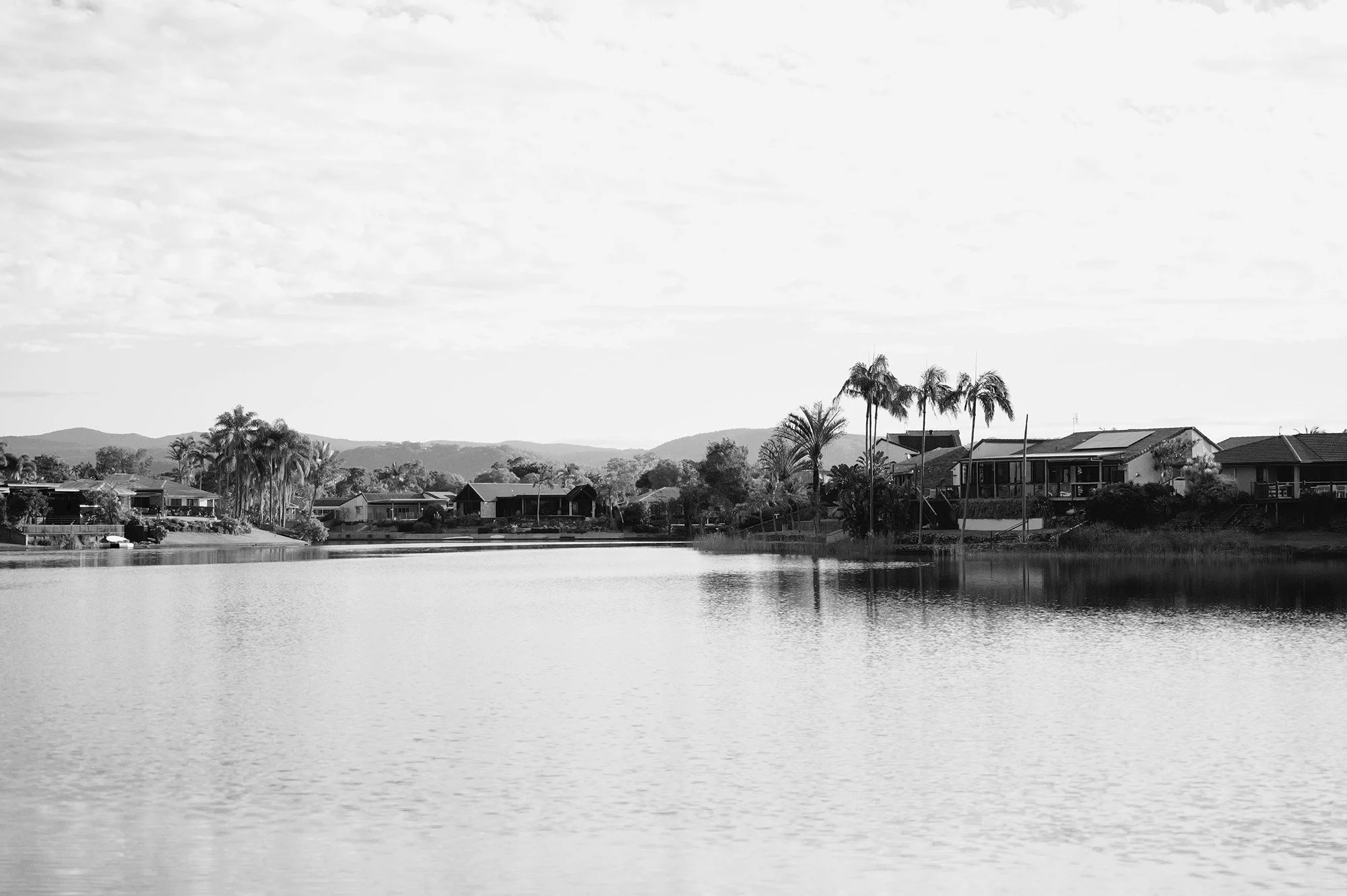
Buying a waterfront property on the Gold Coast can be an exciting prospect. Whether it is a canal-front home in Mermaid Waters, a property overlooking the Broadwater at Paradise Point or a waterfront home in Hope Island, there is something uniquely appealing about living by the water.
However, waterfront properties can also come with legal and practical issues that you may not encounter when purchasing a standard residential property.
Before signing a contract, it is important to understand exactly what you are buying and whether there are any restrictions, maintenance obligations or potential costs associated with the property's waterfront position. Be sure you read the Seller Disclosure Statement carefully.
Here are 10 issues buyers should consider when purchasing waterfront property on the Gold Coast.
1. Revetment Walls:
A revetment wall is the retaining structure separating waterfront land from a canal or waterway. It helps protect the property from erosion and supports the land behind it.
The condition of a revetment wall can be particularly important when purchasing an older waterfront property.
Repairs or replacement can potentially be expensive, so buyers should investigate the condition of the wall and understand who is responsible for its maintenance before committing to a purchase.
A standard building and pest inspection may not necessarily provide the specialist assessment you need. If there are concerns about the wall, consider obtaining advice from an appropriately qualified professional.
2. Pontoons and Jetties:
A pontoon or jetty can be one of the major attractions of buying a Gold Coast waterfront property, particularly if you own a boat.
However, don't simply assume that because a pontoon is physically attached to the property, everything associated with it is approved.
Buyers should consider whether the structure has the necessary approvals and whether any licences, permits or other requirements apply.
You should also investigate whether there are restrictions affecting the size, location or use of the structure.
If having direct boating access is an important reason for purchasing the property, these matters are worth investigating before the contract becomes unconditional.
3. Where Does Your Property Actually End?
The physical appearance of a waterfront property does not necessarily tell you precisely where its legal boundaries are located.
Fences, retaining structures, gardens, pontoons and the water's edge should not automatically be treated as the title boundary.
The property's registered survey plan and title information can help establish the legal dimensions of the land.
Where the precise boundary is particularly important, buyers may also wish to consider obtaining a survey.
This can be especially relevant if you are planning renovations, a pool, landscaping or other improvements close to the waterfront boundary.
4. Easements and Other Title Encumbrances:
Waterfront properties may be affected by easements and other interests registered on title.
An easement may give another person, utility provider or authority particular rights over part of the land.
For example, an easement could affect where you can build or make improvements.
Your conveyancing lawyer should review the title and relevant registered documents and explain any interests that may materially affect your intended use of the property.
This is one reason why property searches are such an important part of the conveyancing process.
5. Flooding and Overland Flow:
Living close to the water naturally makes flooding and drainage issues particularly important considerations.
Different parts of the Gold Coast have different flood characteristics, and the risk should be investigated for the individual property rather than assumed from the suburb alone.
Buyers should consider appropriate council and other available searches and information concerning flooding and drainage.
Flood information can potentially affect more than whether water has previously entered a house. It may also influence future building plans, insurance and how you intend to use the property.
6. Insurance:
Waterfront property can have different insurance considerations from a conventional suburban home.
Before your purchase becomes unconditional, consider obtaining an insurance quote for the specific property rather than assuming the premium will be similar to another home nearby.
Issues such as flood exposure, the property's construction, location and previous claims history may affect the availability or cost of insurance.
You should also check the contract carefully regarding when risk in the property passes to the buyer and arrange insurance at the appropriate time.
For a significant waterfront purchase, discovering an insurance problem shortly before settlement is something you want to avoid.
7. Building Approvals and Waterfront Improvements:
Gold Coast waterfront homes are often extensively renovated.
Pools, decks, patios, retaining structures, extensions and waterfront improvements can make a property incredibly attractive—but buyers should consider whether relevant structures have been properly approved.
The fact that an improvement has existed for many years does not necessarily establish its approval status.
Appropriate council searches can help identify records relating to building approvals.
If a particular improvement is important to your decision to purchase the property, discuss the issue with your lawyer before signing the contract or before the relevant condition expires.
8. Body Corporate and Community Title Issues:
Not every Gold Coast waterfront property is a standalone house.
Waterfront apartments, villas and townhouses may form part of a community titles scheme and therefore have an additional layer of considerations.
Before purchasing, buyers should consider matters such as:
body corporate levies;
by-laws;
insurance;
sinking fund expenditure;
proposed major works;
disputes;
exclusive-use areas; and
restrictions affecting renovations, pets or the use of common property.
Waterfront facilities can add another dimension.
A marina berth, pontoon or other facility may not necessarily form part of the lot itself. The legal arrangements should therefore be investigated rather than relying solely on how the property is marketed.
9. The Contract Conditions Matter:
One of the most important steps when buying any Queensland property is having the contract reviewed before you sign it.
This can be particularly important with waterfront property because the transaction may require additional investigations.
Depending on the property and your circumstances, the contract may need to appropriately address matters such as:
finance;
building and pest inspections;
due diligence;
searches;
approval of improvements;
waterfront structures;
settlement arrangements; or
other issues specific to the property.
Once a contract has been signed, your ability to investigate an issue or terminate because of an unexpected problem will depend on the terms of the contract and applicable law.
It is much easier to consider the appropriate protections before signing than to try to solve a problem afterwards.
10. Don't Rely Solely on the Property's Appearance:
Waterfront homes are often purchased because buyers fall in love with the lifestyle.
A beautiful canal view, pontoon and outdoor entertaining area can understandably become the focus during an inspection.
But the legal due diligence remains important.
Before committing to the purchase, consider questions such as:
What exactly is included in the title?
Are the waterfront structures appropriately authorised?
What searches should be undertaken?
Are there easements or other title issues?
Are there relevant flood or drainage considerations?
Are important improvements approved?
Are there body corporate obligations?
Does the contract adequately protect you while you investigate these matters?
The answers can vary significantly from one property to another—even where two homes are located on the same canal.
Buying Waterfront Property in Mermaid Waters and Across the Gold Coast:
The Gold Coast has a wide variety of waterfront property, and the issues affecting one suburb or property may be very different from another.
Areas such as Mermaid Waters, Broadbeach Waters, Burleigh Waters, Sorrento, Isle of Capri, Paradise Point, Runaway Bay and Hope Island all contain significant waterfront property markets.
Understanding the local characteristics of the property is therefore an important part of the conveyancing process.
A relatively straightforward waterfront house may require a different approach from a property with an ageing revetment wall, substantial waterfront structures or community-title marina facilities.
How Dylan & Inns Can Help:
At Dylan & Inns, we assist buyers with residential property purchases throughout the Gold Coast and Queensland.
Our conveyancing lawyers can review your contract before you sign, explain the terms of your purchase and assist you through the conveyancing process from contract to settlement.
If you're considering purchasing a waterfront property, obtaining advice before signing the contract gives you an opportunity to identify issues early and consider whether additional searches, inspections or contract conditions may be appropriate.
Buying a waterfront property on the Gold Coast? Contact Dylan & Inns to have your contract reviewed before you sign.